Coma: a surreal point-and-click with consequential choices
Bad Dream: Coma from Desert Fox is a surreal point-and-click adventure about escaping a nightmarish coma. The game has players explore macabre locations, solve surreal puzzles, and manipulate a hidden karma system that alters narrative paths toward multiple endings. Key elements include a minimalist hand-drawn art style, an Action-Reaction mechanic, an unsettling original soundtrack, and eight chapters with hidden secrets. It targets players of psychological horror and narrative-driven adventures who value consequence-based stories and repeat playthroughs.
Coma plays as a compact, surreal point-and-click adventure
Coma unfolds across eight chapters where the player's loop is exploration, interaction, and consequence, steering a trapped protagonist toward waking. The game asks players to examine environments, click objects, and follow non-linear paths that branch based on actions. A single run typically lasts two to four hours, making each session manageable while encouraging multiple playthroughs to uncover alternate outcomes.
Player choices have persistent, surprising consequences
Its Action-Reaction system treats many interactions as meaningful: even background clicks can alter later scenes. A hidden karma counter tracks behaviour and guides one of three primary endings, Good, Neutral, and Bad, which the game delivers through branching paths rather than explicit meters. The butterfly-effect design rewards experimentation and punishes careless clicking, turning exploration into an investigative activity with lasting impact.
The pen-and-paper aesthetic and soundtrack sustain a low, steady dread
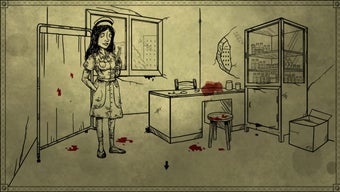
The title adopts a monochrome, hand-drawn pen aesthetic that emphasizes sketchy line work and empty space, making scenes feel fragile and uncanny. Sound design supports that mood with an original, unsettling soundtrack that relies on ambient textures instead of jump scares. Visual contrast and sparse compositions make reading scenes a study in implication, so atmosphere and inference carry much of the emotional weight.
Dream-logic puzzles increase replay value but demand patience
Puzzle design follows surreal logic, so solutions often require lateral experimentation and unlikely links between objects. Hidden content and secrets push players to replay chapters to unlock altered scenes and outcomes, which increases longevity. User feedback notes some puzzles feel overly obscure, producing stalled progress for players who prefer clearer guidance rather than trial-and-error discovery.
Coma rewards patient explorers but limits accessibility
In summary, Coma is a strong fit for players who enjoy deliberate, ambiguity-rich experiences and repeated short sessions; it suits those prepared to experiment rather than expect explicit guidance. One practical constraint affects accessibility: the game is a 32-bit Mac application and does not run on macOSor later, narrowing who can actually play it on modern desktops outside of legacy setups.